
Making Headlines
When you make outstanding products, you make news.
As MedTech devices become increasingly complex, the demand for integrated manufacturing solutions continues to rise. Performance requirements are tightening, regulatory expectations are growing, and time-to-market pressures remain constant. In this environment, overmolding has evolved from a niche process into a strategic enabler of both product design and operational efficiency.
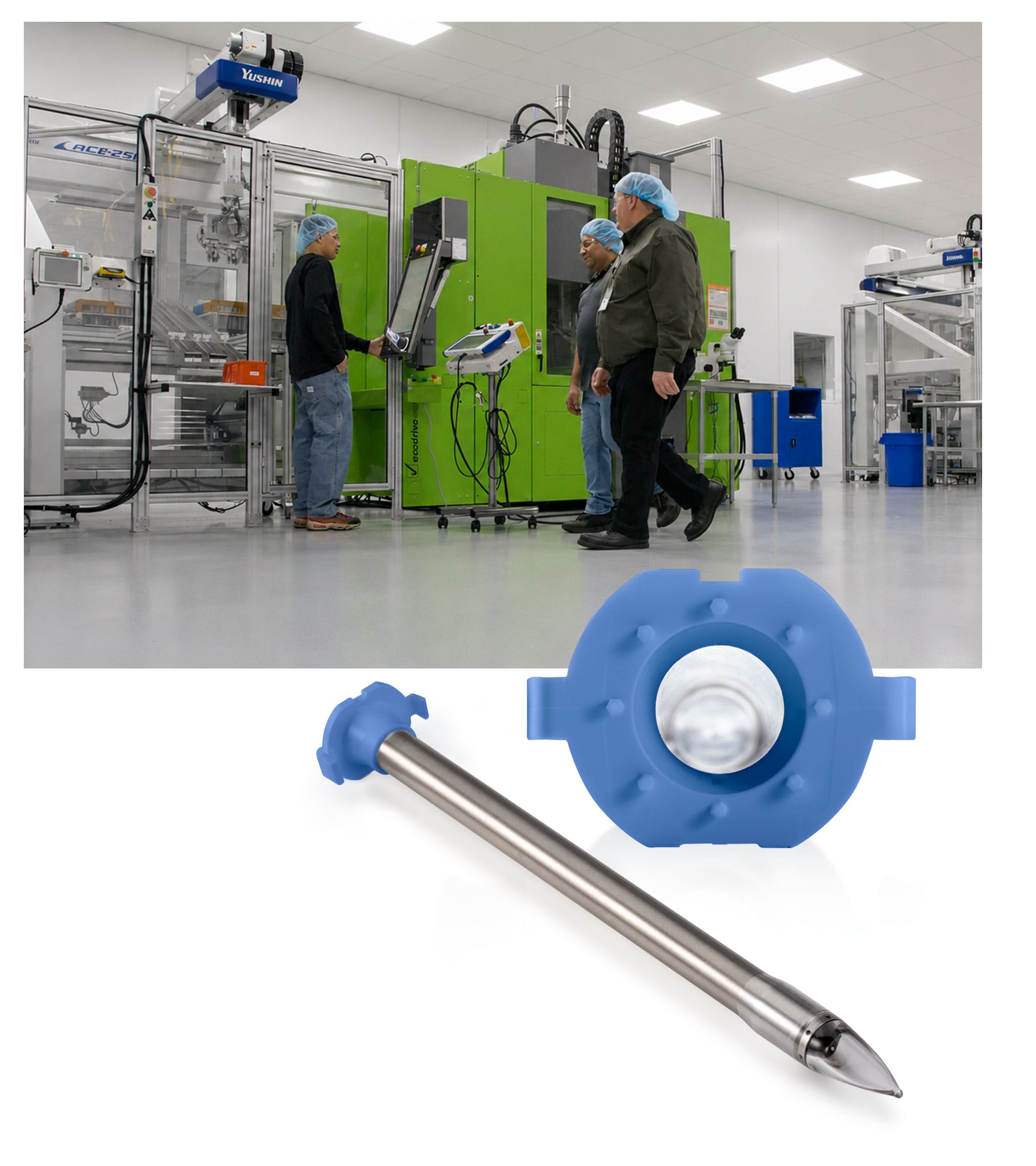
At its core, overmolding allows engineers to combine dissimilar materials, typically plastics and metals, into a single component. This capability enables improved ergonomics, enhanced durability, selective insulation, and reduced part count. For medical device manufacturers, these outcomes translate to more reliable products and more efficient assembly processes.
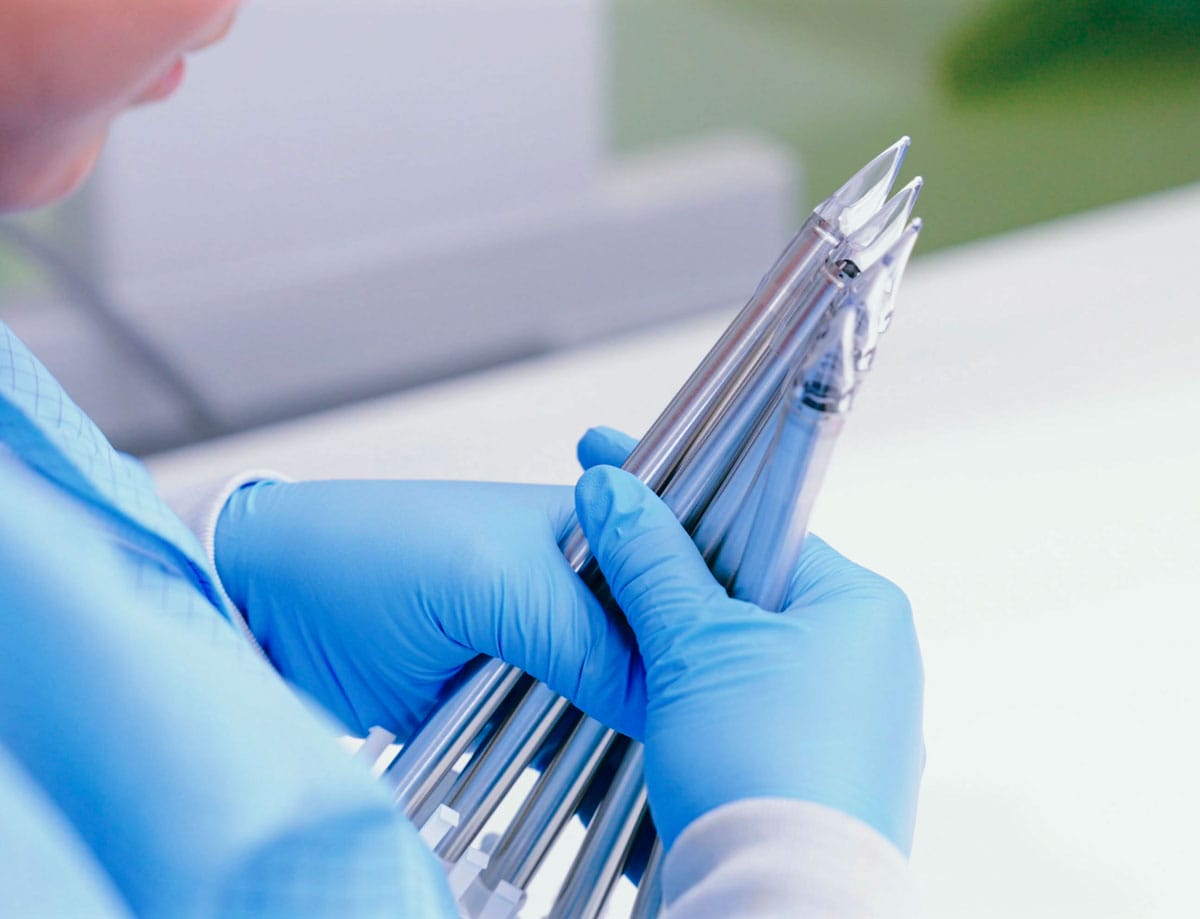
The value of overmolding is especially evident in high-performance applications. In minimally invasive surgical instruments, multi-material designs enable improved handling and precision. In cardiac and neurostimulator components, reliability and consistency are critical to function. In robotic and electromechanical systems, reducing component interfaces can improve both performance and manufacturability. Across these applications, overmolding supports tighter tolerances, better integration, and scalable production.
However, the true advantage of overmolding is not the process itself, but how it is implemented within the broader manufacturing ecosystem.
One of the most common challenges in adopting overmolding is the disconnect between design intent and production reality. When prototyping, tooling, and manufacturing are fragmented across multiple suppliers, inefficiencies and risks emerge. Addressing these challenges requires a more integrated approach to development.
This is where early-stage engineering resources play a critical role. Dedicated prototyping and process development environments enable teams to validate material compatibility, test bonding performance, and optimize designs before production begins. By resolving these variables earlier in the product lifecycle, manufacturers can reduce costly redesigns and accelerate time-to-market.
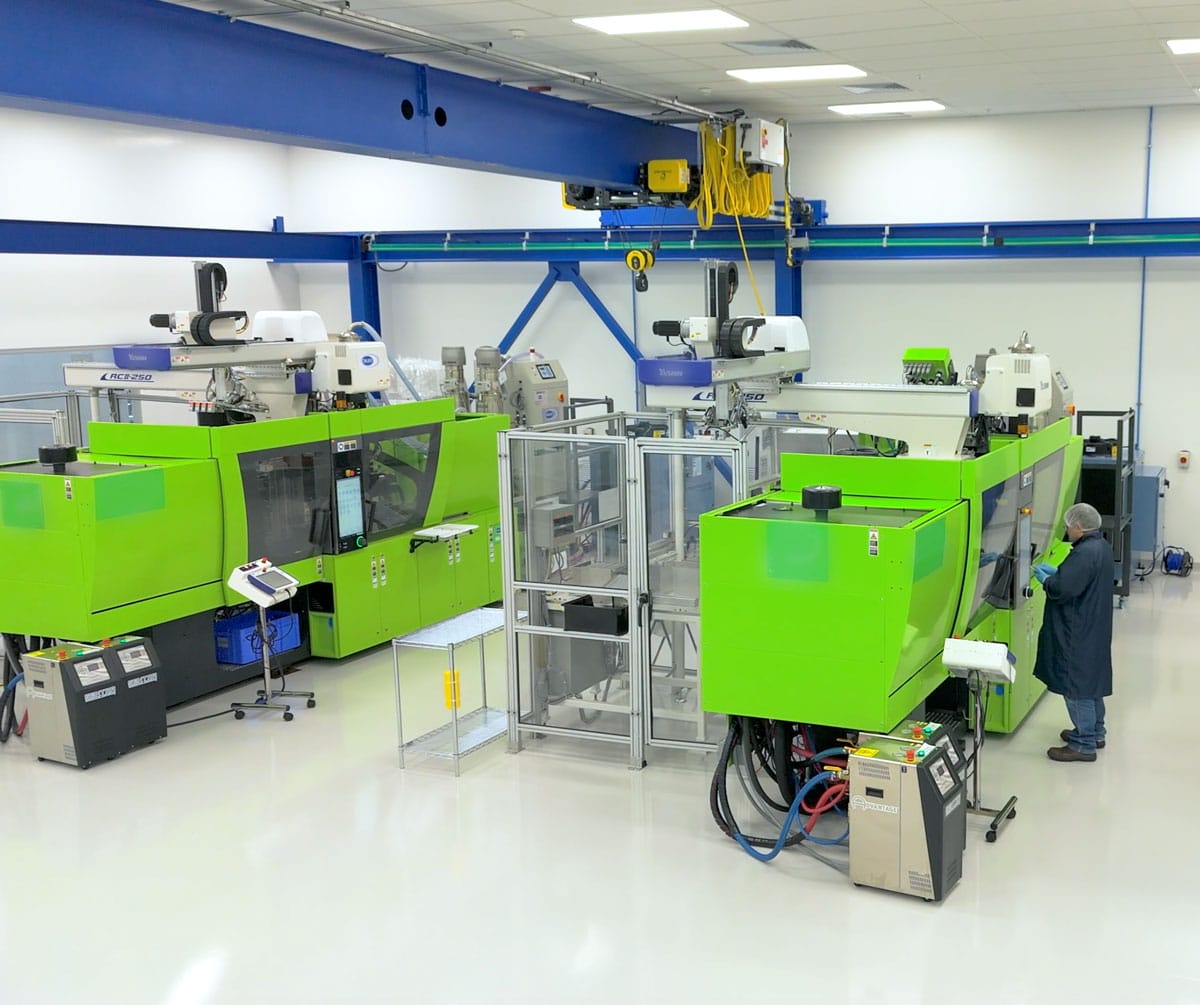
Equally important is vertical integration. When overmolding is supported by in-house tooling, machining, secondary processing, and assembly, manufacturers gain greater control over quality and consistency. Transitions from prototype to production become more seamless, and dependencies on external suppliers are reduced. This integrated model allows for tighter coordination across materials, processes, and tolerances, key factors in high-precision medical applications.
Technical depth also plays a significant role in the success of overmolding. Multi-material integration requires not only expertise in polymers and metals, but also the ability to manage the interfaces between them. Advanced processing capabilities, combined with controlled manufacturing environments, help ensure consistent outcomes across production volumes. Cleanroom-based finishing and assembly further support applications that require stringent contamination control and regulatory compliance.
AVNA works with a range of resin materials to support complex medical injection molding and overmolding applications. Typical materials include:
Supply chain strategy is another critical consideration. In recent years, MedTech manufacturers have increasingly evaluated nearshoring as a way to mitigate risk and improve responsiveness. A regional manufacturing footprint can reduce logistical complexity, limit exposure to global disruptions, and improve production agility. When paired with integrated capabilities, this approach enables both cost optimization and operational resilience.
Ultimately, overmolding should not be viewed as an isolated capability. Its success depends on how effectively it is connected to engineering, prototyping, automation, and production. For OEMs, that means working with a manufacturing partner that can help refine complex designs for manufacturability while maintaining control across the processes that influence quality, consistency, and scale.
AVNA is built to support that kind of integrated approach. With experienced R&D staff, in-house engineering resources, integrated automation, and high-capacity manufacturing across two Connecticut locations and a new facility in Costa Rica, AVNA helps OEMs address many of the challenges that can complicate overmolding programs. From early manufacturability refinement to automated production, AVNA brings together the technical depth and operational infrastructure needed to move complex medical components into reliable manufacturing.
As MedTech innovation continues to advance, the ability to integrate materials, technologies, and processes into a cohesive manufacturing strategy will only become more important. Overmolding, when implemented within an integrated framework, can help OEMs improve product performance, reduce risk, and create a more efficient path from design intent to production. With the right partner, it becomes more than a process. It becomes a strategic advantage. Contact us today to discuss your specific needs.